"गावो विश्वस्य मातरः" — अर्थात् गौ समस्त विश्व की माता है। सनातन वैदिक संस्कृति में गौ केवल एक पशु नहीं, बल्कि करुणा, पोषण, समृद्धि, धर्म और मातृत्व का साक्षात् स्वरूप मानी गई है। हमारे ऋषि-मुनियों ने गौ को "गौमाता" कहकर संबोधित किया, क्योंकि वह निःस्वार्थ भाव से सम्पूर्ण मानव समाज का पालन-पोषण करती है।
पूज्या देवी विष्णुप्रिया जी अपने दिव्य प्रवचनों में सदैव यह संदेश देती हैं कि सच्ची भक्ति केवल मंदिरों में पूजा करने तक सीमित नहीं होती, बल्कि भगवान की सृष्टि की सेवा, करुणा और संरक्षण में भी प्रकट होती है। गौ-सेवा उसी दिव्य करुणा का जीवंत स्वरूप है। जो व्यक्ति श्रद्धा और प्रेम से गौ की सेवा करता है, वह केवल एक जीव की सेवा नहीं करता, बल्कि भगवान श्रीकृष्ण के अत्यंत प्रिय स्वरूप की सेवा करता है।
सनातन धर्म के सभी प्रमुख ग्रंथों—वेद, उपनिषद, पुराण, महाभारत तथा श्रीमद्भागवत महापुराण—में गौ-महिमा का अत्यंत श्रद्धापूर्वक वर्णन किया गया है। भगवान श्रीकृष्ण स्वयं गोविन्द, गोपाल, गोपीनाथ और गोवर्धनधारी जैसे नामों से विख्यात हैं। उनका सम्पूर्ण बाल्यकाल गौ-पालन, गोचारण और ब्रज की गौओं के साथ दिव्य प्रेममयी लीलाओं से आलोकित रहा।
पूज्या देवी विष्णुप्रिया जी अपने भागवत एवं ब्रज रस से ओत-प्रोत प्रवचनों में बताती हैं कि ब्रज की धूल, यमुना का तट, गोवर्धन पर्वत और गौ-सेवा—ये सभी भगवान श्रीकृष्ण के हृदय के अत्यंत निकट हैं। अतः जो श्रद्धालु गौ की सेवा करता है, वह भगवान की करुणा और कृपा का सहज अधिकारी बनता है।
भारतीय संस्कृति में गौ को माता का स्थान इसलिए दिया गया है क्योंकि वह बिना किसी भेदभाव के सम्पूर्ण समाज का पोषण करती है। गौ का दूध, दही, घी, गोमूत्र और गोबर—ये पंचगव्य केवल धार्मिक दृष्टि से ही नहीं, बल्कि आयुर्वेद, कृषि और पर्यावरण संरक्षण की दृष्टि से भी अत्यंत महत्वपूर्ण माने गए हैं।
गौ भारतीय ग्रामीण अर्थव्यवस्था, जैविक खेती और प्राकृतिक जीवन-पद्धति का आधार रही है। इसलिए गौ-रक्षा और गौ-सेवा केवल धार्मिक कर्तव्य नहीं, बल्कि सामाजिक, सांस्कृतिक और पर्यावरणीय उत्तरदायित्व भी है।
यदि भगवान श्रीकृष्ण के जीवन का कोई सबसे मधुर परिचय है, तो वह उनका गोपाल स्वरूप है। वृन्दावन, गोकुल और नन्दगाँव की प्रत्येक लीला में गौओं के प्रति उनका वात्सल्य स्पष्ट दिखाई देता है। वे प्रतिदिन गौओं को वन में चराने ले जाते, उनके नाम लेकर पुकारते, उन्हें स्नेहपूर्वक सहलाते और उनकी रक्षा करते थे।
पूज्या देवी विष्णुप्रिया जी अपने प्रवचनों में प्रेरणा देती हैं कि यदि हम वास्तव में भगवान श्रीकृष्ण को प्रसन्न करना चाहते हैं, तो हमें गौ, गंगा, तुलसी, संत और समस्त प्राणियों के प्रति करुणा का भाव विकसित करना होगा। यही वास्तविक कृष्ण-भक्ति है।
भक्ति केवल जप, तप या पूजा तक सीमित नहीं है। जब हमारे हृदय में प्रत्येक प्राणी के प्रति दया, सेवा और संवेदना जागृत होती है, तभी भक्ति पूर्ण होती है।
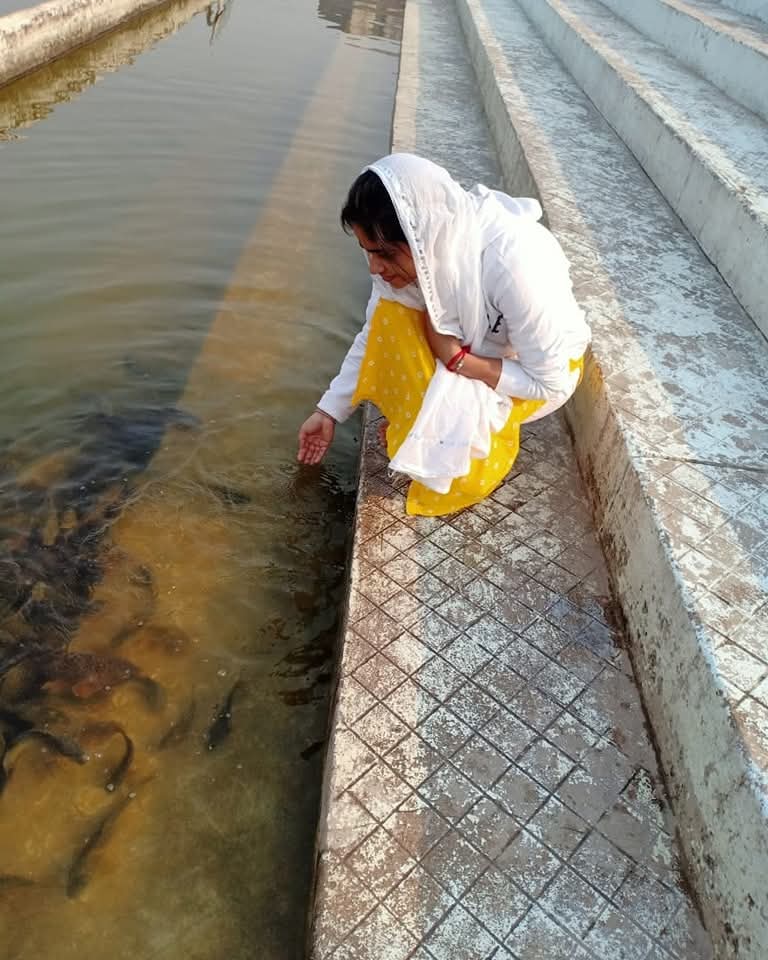
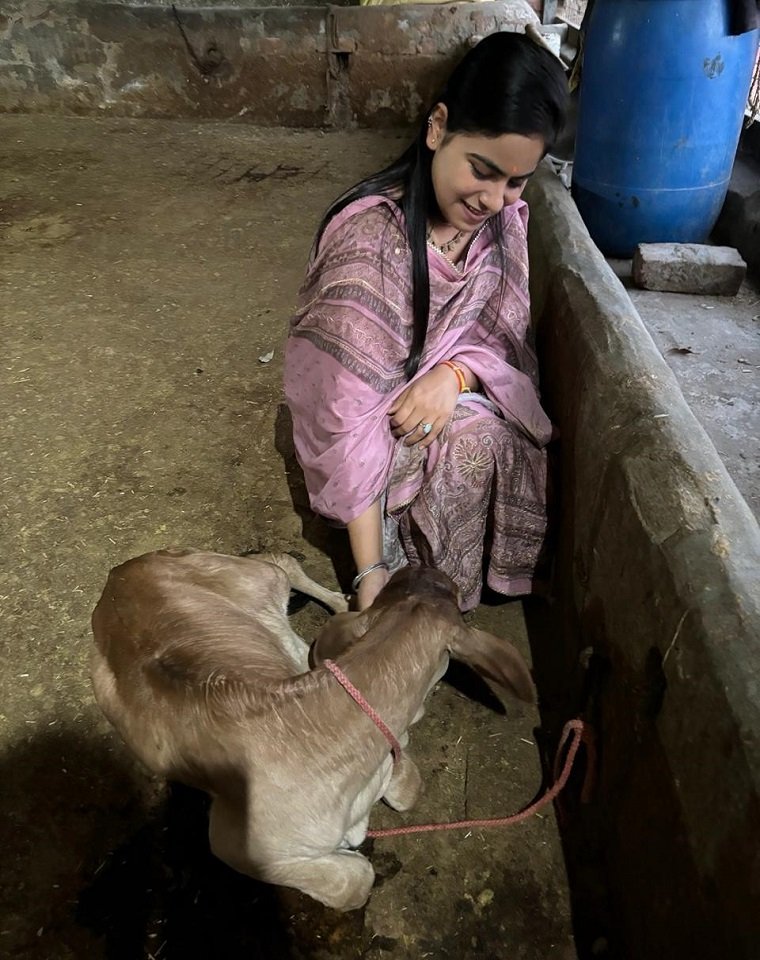
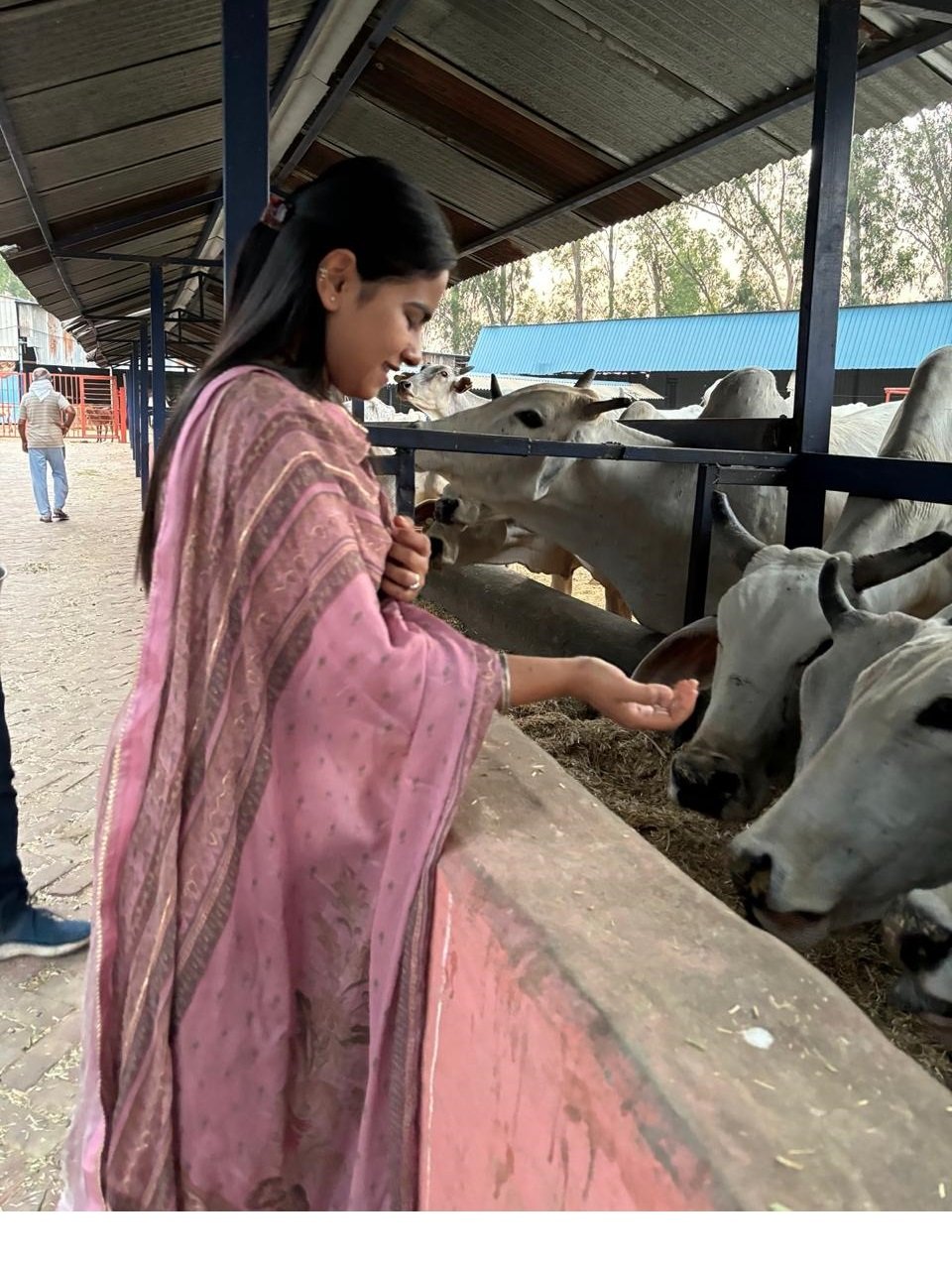
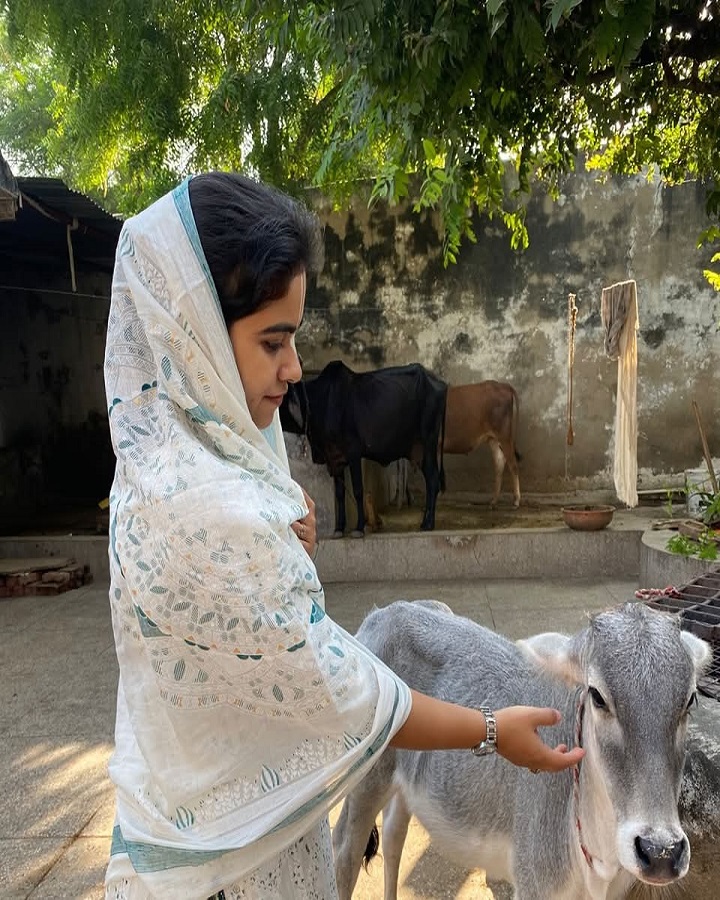
भूखी गौ को भोजन कराना, घायल गौ का उपचार कराना, गौशालाओं की सहायता करना, उनके लिए जल की व्यवस्था करना तथा उनके संरक्षण में सहयोग देना—ये सभी कार्य ईश्वर-सेवा के समान माने गए हैं।
पूज्या देवी विष्णुप्रिया जी का संदेश है कि जिस समाज में गौ, संत, माता-पिता और प्रकृति का सम्मान होता है, वहाँ धर्म, समृद्धि और शांति स्वतः स्थापित हो जाती है।
वर्तमान समय में जब मानव प्रकृति से दूर होता जा रहा है और पर्यावरण अनेक संकटों का सामना कर रहा है, तब गौ-आधारित जीवन-पद्धति पुनः विश्व का ध्यान आकर्षित कर रही है।
जैविक खेती, प्राकृतिक खाद, गोबर गैस, पंचगव्य चिकित्सा तथा पर्यावरण-अनुकूल जीवनशैली में गौ की महत्वपूर्ण भूमिका है। गौ-सेवा केवल धार्मिक भावना नहीं, बल्कि प्रकृति के संरक्षण और आने वाली पीढ़ियों के उज्ज्वल भविष्य की दिशा में भी एक महत्वपूर्ण कदम है।
गौ-सेवा समाज में करुणा, सहयोग, सेवा और आत्मीयता का विकास करती है। जब परिवार और समाज मिलकर गौशालाओं का सहयोग करते हैं, तो केवल गौवंश की रक्षा ही नहीं होती, बल्कि सेवा की संस्कृति भी विकसित होती है।
ऐसे समाज में संवेदनशीलता, नैतिकता और पारस्परिक प्रेम का वातावरण निर्मित होता है। यही सनातन संस्कृति की आत्मा है।
पूज्या देवी विष्णुप्रिया जी अपने प्रवचनों में स्पष्ट करती हैं कि गौ-सेवा केवल विशेष अवसरों तक सीमित नहीं होनी चाहिए। इसे जीवन का नियमित संस्कार बनाना चाहिए।
गौ-सेवा के कुछ सरल एवं प्रभावी स्वरूप हैं—
जब सेवा निःस्वार्थ भाव से भगवान को समर्पित होकर की जाती है, तभी उसका वास्तविक आध्यात्मिक फल प्राप्त होता है।
भक्ति का अर्थ केवल भगवान का स्मरण करना नहीं, बल्कि उनके प्रिय तत्वों का सम्मान और संरक्षण करना भी है। भगवान श्रीकृष्ण के लिए गौ अत्यंत प्रिय हैं। इसलिए गौ-सेवा स्वयं भगवान की सेवा का माध्यम बन जाती है।
जब श्रद्धालु प्रेमपूर्वक गौ की सेवा करता है, तब उसके भीतर विनम्रता, करुणा, धैर्य, सेवा और आत्मसमर्पण जैसे दिव्य गुणों का विकास होता है। यही गुण मनुष्य को ईश्वर के अधिक निकट ले जाते हैं।
पूज्या देवी विष्णुप्रिया जी सदैव प्रेरित करती हैं कि हम अपने जीवन में भक्ति को व्यवहार से जोड़ें। केवल धार्मिक अनुष्ठानों तक सीमित न रहकर सेवा, सदाचार, करुणा और मानवता को अपने जीवन का अंग बनाएँ।
उनका संदेश है कि यदि प्रत्येक परिवार अपने सामर्थ्य के अनुसार गौ-सेवा, संत-सेवा, वृक्षारोपण, गौशाला सहयोग, अन्नदान तथा मानव सेवा को अपनाए, तो समाज में आध्यात्मिक जागरण, नैतिक उत्थान और सांस्कृतिक पुनर्जागरण का मार्ग स्वतः प्रशस्त होगा।
गौ-सेवा केवल एक धार्मिक परम्परा नहीं, बल्कि सनातन संस्कृति की शाश्वत जीवन-दृष्टि है। यह करुणा, सेवा, प्रकृति-प्रेम, धर्म और ईश्वर-भक्ति का सुंदर समन्वय है। भगवान श्रीकृष्ण की प्रिय गौमाता की सेवा प्रत्येक श्रद्धालु के जीवन को पवित्र, शांत और मंगलमय बना सकती है।
आइए, हम सभी पूज्या देवी विष्णुप्रिया जी की प्रेरणा से संकल्प लें कि अपने जीवन में गौ-सेवा, मानव-सेवा, प्रकृति-संरक्षण और भगवान के प्रति निष्काम भक्ति को अपनाकर सनातन संस्कृति के इन दिव्य आदर्शों को जन-जन तक पहुँचाएँ।
"गौ की सेवा केवल धर्म नहीं, बल्कि करुणा का उत्सव, संस्कृति का संरक्षण और भगवान श्रीकृष्ण के चरणों में समर्पित निष्काम भक्ति का पावन मार्ग है।"
॥ जय श्री राधे ॥
"Gāvo Viśvasya Mātaraḥ" — "Cows are the mothers of the entire universe."
In the eternal Vedic tradition of Sanatan Dharma, the cow is not regarded merely as an animal, but as the embodiment of compassion, nourishment, prosperity, righteousness, and motherhood. Our ancient sages revered the cow as Gau Mata (Mother Cow) because she selflessly nurtures and sustains humanity.
Through her divine discourses, Pujya Devi Vishnupriya Ji consistently teaches that true devotion is not confined to rituals or temple worship alone. Genuine bhakti is expressed through compassion, service, and the protection of God's creation. Gau Seva is a living expression of this divine compassion. One who serves the cow with faith and love is not merely serving an animal but is serving one of the most beloved forms of Lord Shri Krishna.
The glory of the sacred cow is beautifully described throughout the Vedas, Upanishads, Puranas, Mahabharata, and the Shrimad Bhagavat Mahapurana. Lord Krishna Himself is lovingly known by names such as Govinda, Gopala, Gopinath, and Govardhandhari, all of which reflect His intimate relationship with cows and cowherds.
His entire childhood was filled with divine pastimes of tending cows, grazing them in the forests of Braj, and showering them with unconditional love.
Pujya Devi Vishnupriya Ji often explains in her Bhagavat and Braj-inspired discourses that the sacred dust of Braj, the holy Yamuna River, Govardhan Hill, and Gau Seva all occupy a special place in Lord Krishna's heart. Therefore, anyone who serves the cow with devotion naturally becomes a recipient of His divine grace and compassion.
In Indian culture, the cow is revered as a mother because she nourishes society without discrimination. Milk, curd, ghee, cow urine, and cow dung—collectively known as the Panchagavya—are valued not only in spiritual traditions but also in Ayurveda, agriculture, environmental sustainability, and natural living.
For centuries, the cow has formed the backbone of India's rural economy, organic farming, and eco-friendly lifestyle. Thus, protecting and serving cows is not merely a religious responsibility but also a social, cultural, and environmental duty.
If there is one identity that beautifully defines Lord Krishna, it is His form as Gopala, the protector of cows.
Every divine pastime in Vrindavan, Gokul, and Nandgaon reflects His tender affection toward the cows. He lovingly took them to graze, called each by name, cared for them, and protected them as members of His own family.
Pujya Devi Vishnupriya Ji teaches that if we sincerely wish to please Lord Krishna, we must cultivate compassion not only for cows but also for Mother Ganga, Tulsi, saints, nature, and all living beings. This is the true essence of Krishna Bhakti.
Devotion is not limited to chanting, meditation, or rituals alone. Bhakti becomes complete only when compassion, kindness, and selfless service arise in the heart toward every living being.
Feeding hungry cows, providing medical care for injured cattle, supporting cow shelters (Gaushalas), arranging food and water, and participating in cow protection are all considered sacred acts of service to God.
Pujya Devi Vishnupriya Ji teaches that wherever cows, saints, parents, and nature are honored, righteousness, prosperity, and peace naturally flourish.
In today's world, where humanity is becoming increasingly disconnected from nature and environmental challenges continue to grow, the cow-centered lifestyle is once again gaining global attention.
Organic farming, natural fertilizers, biogas, Panchagavya therapy, and sustainable living all highlight the indispensable role of the cow.
Thus, Gau Seva is not merely a religious sentiment—it is also a meaningful contribution toward environmental conservation and a healthier future for generations to come.
Serving cows nurtures compassion, cooperation, selflessness, and mutual respect within society.
When families and communities collectively support Gaushalas and participate in cow welfare, they not only preserve the sacred cow but also strengthen a culture of service and humanity.
Such values create a society founded upon morality, sensitivity, and spiritual harmony—the very essence of Sanatan Dharma.
Pujya Devi Vishnupriya Ji emphasizes that Gau Seva should not remain limited to festivals or special occasions. Rather, it should become a lifelong spiritual practice.
Simple ways to perform Gau Seva include:
When such service is performed selflessly and offered to God with devotion, it becomes a powerful means of spiritual growth and divine blessings.
True devotion is not merely remembering God; it also means honoring and protecting everything that is dear to Him.
Since cows are especially beloved by Lord Krishna, serving them becomes an act of serving the Lord Himself.
Through sincere Gau Seva, one naturally develops humility, compassion, patience, selflessness, dedication, and surrender—qualities that bring the soul closer to God.
Pujya Devi Vishnupriya Ji continually inspires devotees to transform devotion into daily practice.
She teaches that worship should not remain confined to rituals alone; rather, it should manifest through service, righteousness, compassion, respect for all beings, and dedication to humanity.
According to her teachings, if every family contributes according to its capacity through Gau Seva, service to saints, tree plantation, support for Gaushalas, food donation, and humanitarian service, society will naturally experience spiritual awakening, moral upliftment, and a revival of Sanatan values.
Gau Seva is far more than a religious tradition—it is an eternal philosophy of life rooted in Sanatan Dharma. It beautifully unites compassion, selfless service, environmental responsibility, righteousness, and devotion to God.
Serving the beloved cows of Lord Krishna has the power to purify the heart, bring inner peace, and fill life with divine blessings.
Let us all take inspiration from the teachings of Pujya Devi Vishnupriya Ji and dedicate ourselves to Gau Seva, humanitarian service, environmental protection, and selfless devotion to God. By doing so, we can preserve and spread the timeless spiritual values of Sanatan Dharma for future generations.
"Serving the sacred cow is not merely a religious act; it is a celebration of compassion, the preservation of culture, and a sacred path of selfless devotion at the lotus feet of Lord Shri Krishna."
॥ Jai Shri Radhe ॥
Sheetal Chaya
Vrindavan, (U.P.) INDIA.
+91- 9992836036, +91-9992837037